Technology has changed more in the past five years than in the previous twenty. Businesses moved more work into the cloud, adopted hybrid schedules, modernized outdated systems, and became more aware of cybersecurity risks. That pace isn’t slowing down. As 2026 approaches, many of the biggest trends are less about brand-new technology and more about practical improvements to the technology companies already rely on.
This matters for every organization that expects its technology to stay reliable, secure, and easy for people to use. It also matters for leaders planning budgets, upgrades, and long-term strategies. The coming year will bring smarter tools, stronger security requirements, and clearer expectations for how teams communicate and collaborate. The focus is shifting from experimenting with new ideas to choosing solutions that fully support day-to-day work.
The following trends show where business technology is headed and how organizations can prepare.
Trend 1: AI Becomes Part of Everyday Workflows
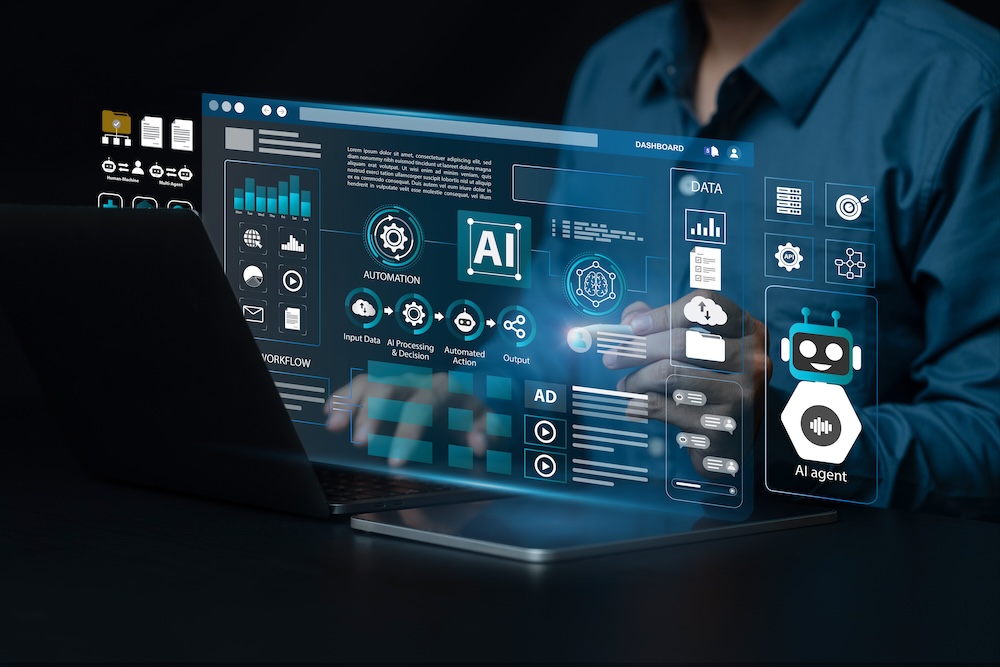
Many business applications will include built-in AI features by 2026. Instead of relying on separate tools, users will see AI appear inside the software and systems they already use.
Examples include faster ticket routing in helpdesk platforms, AI-driven sorting for network alerts, and more accurate matching in accounting processes. AI can also help summarize lengthy reports, highlight patterns inside operational data, and improve how teams monitor their print environments.
This shift toward built-in intelligence raises questions about privacy, responsible use, and data governance. More companies will create internal guidelines that outline acceptable use, accuracy expectations, and restrictions on unapproved AI tools.
The most practical way for small and mid-sized businesses to prepare is to focus on one or two workflows that would benefit from automation or pattern recognition. Repetitive tasks, high-volume processes, or areas where delays create frustration are good places to start. Success comes from choosing clear goals and involving the people who will rely on the technology every day.
Trend 2: Security by Design Becomes Standard Practice
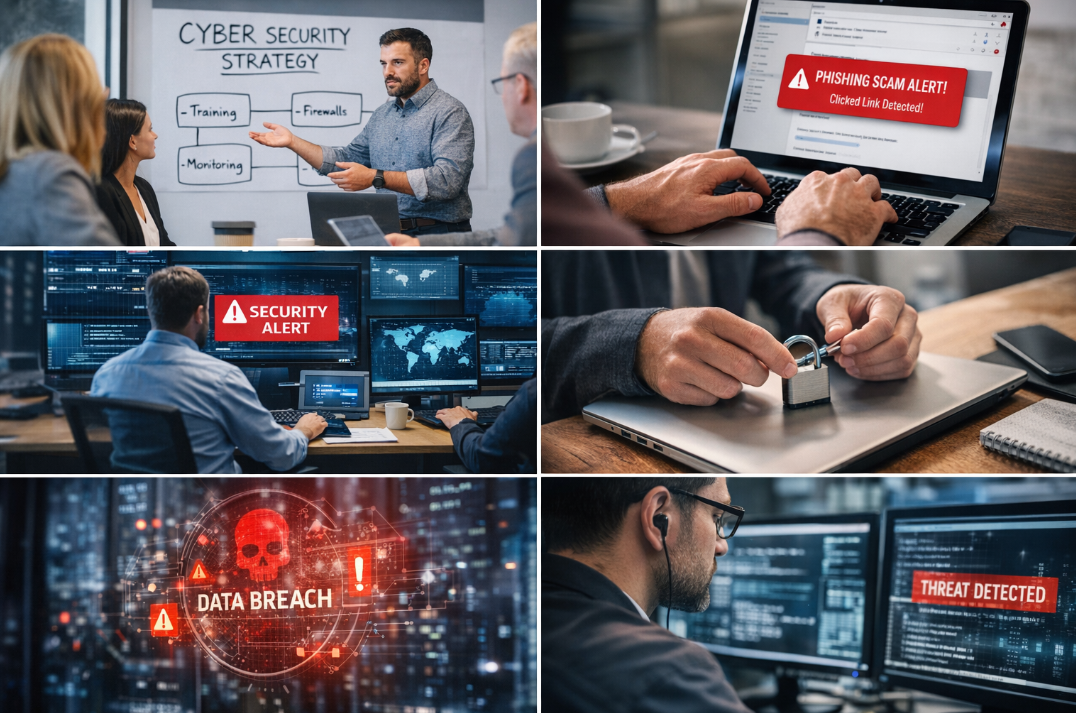
Cybersecurity threats continue to rise, and attackers increasingly target smaller organizations. Cyber insurance requirements are becoming more demanding as well. Because of this, companies can no longer treat security as something added after systems are set up. In 2026, more organizations will build their security strategy into the foundation of their networks, devices, and cloud environments.
Identity protection is becoming a core requirement. Multifactor authentication, conditional access, and stricter user permissions will determine who can access information. Zero trust principles will shape how devices and applications communicate, reducing opportunities for attackers to move freely inside a network.
Continuous monitoring will grow in importance. Managed detection and response services will help businesses identify suspicious activity early. Printers, collaboration displays, VoIP phones, and other connected devices will receive more attention because they continue to be overlooked entry points for attackers.
Preparing for these changes starts with a security assessment to reveal gaps and risks. From there, businesses can update policies, confirm backups, outline an incident response plan, and train employees regularly. Security planning is shifting from a single annual project to a continuous practice.
Trend 3: Hybrid Work Evolves Into a Smarter Model
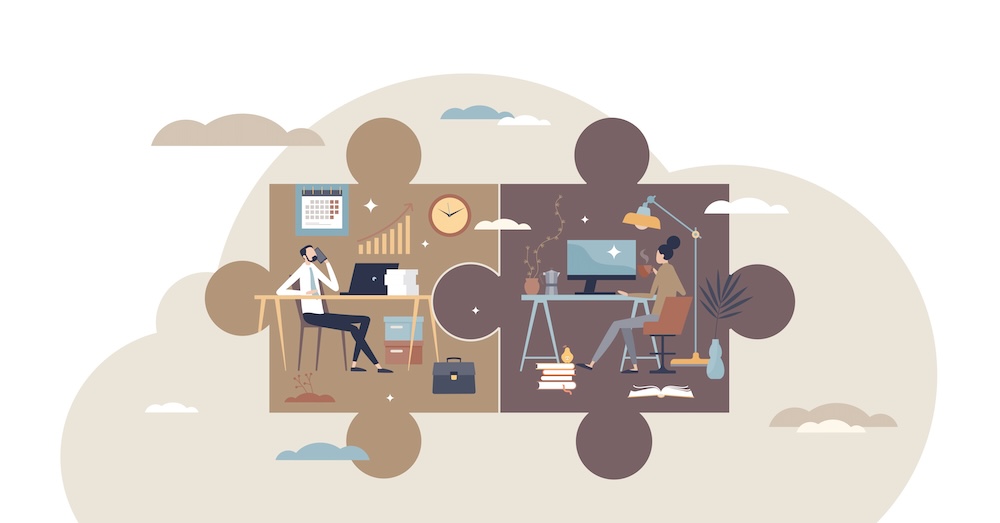
Hybrid work is now a normal part of many organizations. The next challenge is not deciding whether hybrid work should exist but ensuring employees have the tools they need to work smoothly from anywhere. That requires stronger communication platforms, better access to company resources, and more predictable IT support.
Cloud printing will expand as teams move between office and home environments. Secure release, mobile printing, and authentication-based controls help protect sensitive documents and keep print costs under control.
Unified communications will also become more important. Teams work more efficiently when voice, video, chat, and file sharing stay connected inside a single platform. VoIP systems will continue improving call quality, reporting, reliability, and customer-facing communication.
Inside the office, companies may redesign their layouts to support this long-term hybrid model. Shared devices, centralized print stations, and flexible meeting areas help reduce unnecessary spending and create more adaptable workspaces. The focus for 2026 is making hybrid work feel consistent and reliable while reducing complexity for employees and the IT team.
Trend 4: Modernizing Legacy Systems Without Full Replacement
Many businesses still depend on older applications, outdated servers, or aging infrastructure that affects performance and reliability. These systems can be difficult to support and may create security concerns. In 2026, modernization will remain a major priority for organizations that want fewer disruptions and more predictable performance.
Modernizing doesn’t have to mean starting from scratch though. A thoughtful, step-by-step approach can create meaningful improvements while keeping disruptions to a minimum. A phased approach can deliver strong results. Companies may move certain components to the cloud, introduce API-based integrations, or retire equipment that has reached the end of its supported lifecycle.
This approach helps organizations avoid unnecessary downtime and expensive emergency repairs. For print environments, modernization might include upgrading to devices with better security features, improved monitoring, and more efficient performance.
The key is planning. A full assessment helps identify which systems need attention first and where upgrades will have the greatest impact. A strategic roadmap keeps modernization efforts organized and aligned with long-term business goals.
Trend 5: Data, Analytics, and Automation Support Daily Decisions
Data is becoming easier for businesses to collect, understand, and use. In 2026, companies will rely more on the built-in analytics already found in many of their existing tools. The goal is to help teams make confident decisions based on real information.
Print management platforms can show usage trends, supply needs, and cost patterns. IT service tools can highlight common ticket types, seasonal workloads, and resource demands. VoIP systems can measure call quality, volume, and performance across departments. These insights help leaders make smarter decisions about staffing, equipment, and workflow improvements.
Automation naturally grows out of good analytics. When a business knows how a process behaves, it becomes easier to create rules that respond automatically. Examples include sending alerts when a device needs attention, rerouting tasks when workloads spike, or triggering maintenance when print usage reaches certain thresholds.
For 2026, organizations will want to focus on data visibility and trust. Information only helps when it is accurate, accessible, and easy for teams to interpret.
Trend 6: Sustainability and Cost Control Shape Technology Decisions
Sustainability matters more than ever. Rising energy costs, new regulations, and customer expectations are driving businesses to seek technologies that reduce waste and improve resource use. This trend aligns closely with cost control, which remains a major priority for many leaders.
Energy-efficient devices, modern networking equipment, and updated server environments all help reduce electricity use. Cloud services can replace aging on-premises hardware that consumes more power than it should. Optimized print environments help cut back on paper, toner, and device wear. Even small policy adjustments can create measurable savings over time.
Analytics will continue to support sustainability decisions by helping organizations track print volumes, identify waste, and pinpoint opportunities for reduced consumption. What used to be considered a “green initiative” is now widely recognized as a practical financial strategy.
In 2026, most businesses will weigh environmental impact and long-term operating costs more heavily when making technology investments.

How Businesses Can Prepare for 2026
These trends share one theme. Business technology is becoming more integrated, more secure, more flexible, and more focused on direct, practical value. There is no need to handle every change all at once. What matters is having a plan that moves your technology forward with purpose. The following steps help businesses prepare for what comes next:
1. Review current systems and identify aging or unsupported components.This includes servers, firewalls, printers, VoIP equipment, and any applications nearing end of life.
2. Strengthen cybersecurity foundations.Update policies, verify MFA across accounts, test backups, review insurance requirements, and document an incident response plan.
3. Ensure communication tools support hybrid work.Evaluate whether voice, video, chat, and mobile communication are consistent and reliable.
4. Modernize outdated workflows or equipment.Replace devices or platforms that slow down work or create recurring support tickets.
5. Try automation or AI in one clear area.Choose a workflow where it will make the biggest immediate difference.
6. Build a realistic roadmap with a trusted technology partner.Planning ahead prevents costly surprises and helps businesses upgrade on their own terms.
Companies that take these steps now will be better positioned to navigate upcoming changes and enter 2026 with stronger technology, improved security, and greater confidence.
About IS Technology
IS Technology helps organizations across Asheville, Greenville, North Georgia, and Knoxville work smarter with dependable IT and print solutions. We deliver strategy, support, cybersecurity, Unified Communications, and Managed Print Services that keep businesses productive and secure. Our focus is on partnership, long-term results, and technology that makes work easier.