Running a business today usually means dealing with a lot of tech stuff. Computers, email, internet, files, security, software updates. It adds up fast. And honestly, it can get frustrating when something stops working right in the middle of the day.
That is one reason more companies look into complete managed IT services. They want their systems to work, their team to stay productive, and their data to stay safe. That sounds simple, I know, but it matters more than people think. One small tech issue can slow down the whole day.
At IS Technology, the goal is to make business technology feel less stressful and more useful. That is really what complete managed IT services are about. Not just fixing problems when they happen, but helping prevent them before they turn into a mess.
Let’s Get Started!
(888) 684-2448
What Are Complete Managed IT Services?
A lot of people ask, what are complete managed IT services exactly? That is fair. The phrase sounds broad, because it is. But in plain terms, it means a company hires an IT provider to manage, support, and protect its technology on an ongoing basis.
Instead of waiting until something breaks, the IT team works in the background all the time. They monitor systems, fix issues, install updates, help users, and keep an eye on security. It is kind of like having an IT department without always building one from scratch inside your business.
For many companies, complete managed IT services cover both the daily small issues and the bigger long-term needs. So yes, it can include password resets and printer help, but also backup plans, cloud systems, cybersecurity, and network health. It is a wide service on purpose.
What Is Included In Managed IT Services?
When business owners ask what is included in managed IT services, they are usually trying to figure out what they are really paying for. That makes sense. Nobody wants vague promises.
Most complete managed IT services include things like:
- Help desk support for users
- Device and server monitoring
- Software updates and patching
- Network support
- Cybersecurity protection
- Data backup solutions
- Disaster recovery planning
- Cloud support
- User account management
- Remote troubleshooting
Some providers offer more than others, of course. But the main idea stays the same. They help keep your business technology running smoothly and safely.
At times, people think IT support just means calling somebody when the Wi-Fi goes down. It is more than that now. A lot more, really.
How Do Managed IT Services Work?
If you are wondering how managed IT services work, the short answer is that the provider becomes your ongoing tech support partner. They do not just step in once. They stay involved.
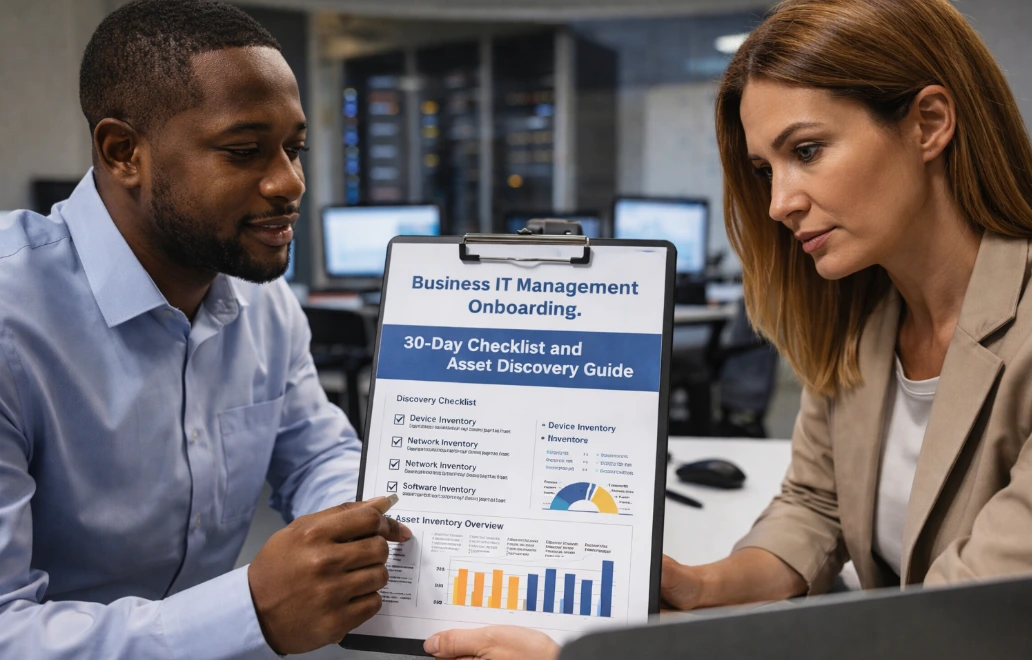
Usually, the process starts with an assessment. The IT provider reviews your systems, devices, software, security risks, and business needs. After that, they build a support plan. Then they begin monitoring, maintaining, and supporting your environment.
This often includes proactive network monitoring services, which means the provider watches your systems for issues before users even notice them. Maybe a server is running low on space. Maybe a device missed a security update. Maybe the network is slowing down in a way that suggests a bigger problem is coming. Catching those issues early can save a lot of trouble later.
That is one of the biggest strengths of complete managed IT services. They are active, not just reactive.
Why Do Businesses Choose Managed IT Services For Small Business Needs?
Smaller businesses often feel stuck in a weird spot. They need reliable technology, but they may not have the budget for a full in-house IT department. That is where managed IT services for small business can make a real difference.
A small business still needs support with computers, email, security, backups, and day-to-day issues. Maybe even more than they realize. But hiring several full-time IT employees may not be realistic. Managed services give them access to skilled support without carrying the full cost of an internal team.
This is one reason complete managed IT services are attractive to growing businesses. They can scale as the company grows. What works for ten employees today may need to change when the team reaches thirty or fifty. A managed provider can usually adjust along the way.
And honestly, that flexibility matters. Businesses change. Tech should be able to keep up.
Let’s Get Started!
(888) 684-2448

What Are The Benefits Of Managed IT Services?
There are a lot of benefits of managed IT services, but a few show up again and again.
First, there is consistency. Employees know where to go when something is wrong. Second, there is prevention. Systems are monitored and maintained regularly. Third, there is better security, which is a big deal now.
Some of the biggest benefits include:
- Less downtime
- Faster support for employees
- Better system performance
- Stronger security practices
- More predictable IT costs
- Access to broader IT expertise
- Better planning for future tech needs
With complete managed IT services, the goal is not just to keep the lights on. It is to help the business work better overall. That part is easy to overlook, maybe, but it is important.
Managed IT Services Vs Break Fix IT Support: What Is The Difference?
This is a good question because the difference is pretty important. Managed IT services vs break fix IT support comes down to timing and approach.
Break fix support means you call for help after something goes wrong. A computer fails, the network drops, or a software issue stops work. Then someone comes in and fixes it. That model can work in some cases, sure, but it is more reactive.
Complete managed IT services work differently. The provider helps prevent many of those issues before they interrupt the business. They monitor systems, apply updates, review risks, and support users regularly.
So, break fix is more like emergency repair. Managed services are more like ongoing care. Not perfect, maybe, because no system is perfect, but generally much steadier.
Why Do 24 7 IT Help Desk Support And Remote IT Support Services Matter?
Problems do not always happen during normal office hours. That is just how it goes. A file access issue might show up late. An employee working from home might get locked out in the morning before everyone else signs on.
That is why 24 7 IT help desk support matters for many businesses. It gives users a place to go when they need help, even outside the typical workday.
It also helps when providers offer remote IT support services. A lot of issues can be solved without waiting for someone to come on-site. That saves time. It also means employees can get back to work faster, which is usually what everyone wants.
For many businesses, this kind of support is a core part of complete managed IT services. Fast help matters. Quietly, maybe more than people expect.
Why Are Managed Cybersecurity Services And Backup Plans So Important?
Security has become one of the biggest reasons companies invest in managed IT. Threats are more common now. Phishing emails, ransomware, weak passwords, old software. It can get serious quickly.
Managed cybersecurity services help protect the business through tools, monitoring, updates, training, and security best practices. No provider can promise zero risk, of course. But reducing risk is a huge part of the job.
Then there is data loss. That is where backup and disaster recovery services come in. If a system fails or files get damaged, a business needs a way to recover. Not someday. Fast.
This is also why cloud management services for business are often included. Many businesses rely on cloud apps and cloud storage every day now. Those systems need support too.
Should You Choose Fully Managed IT Support Or Co Managed It Services?
Some businesses want the provider to handle almost everything. That is usually called fully managed IT support. Others already have an internal IT person or team and just need outside help in certain areas. That is where co managed IT services fit.
Neither choice is automatically better. It depends on the business. A small company with no internal IT may benefit more from full support. A larger company may only need help with cybersecurity, monitoring, or after-hours coverage.
The key is understanding your current setup and what gaps need to be filled. That is a big part of how to choose a managed service provider too. You want a partner that fits your business, not just one that sells a long list of services.
Final Thoughts
Technology should help your business move forward, not hold it back. That sounds obvious, but when systems are slow, support is inconsistent, or security feels uncertain, it can wear people down.
That is why complete managed IT services matter. They bring structure, support, and protection into one ongoing solution. For many businesses, that means fewer interruptions, better security, and a lot less guesswork.
IS Technology helps businesses make sense of their IT needs and build support around real day-to-day challenges. And really, that is what good IT service should do. Keep things working, solve problems early, and make the workday feel a little easier.